How Strong Temecula Valley Light Changes Interior Paint Color
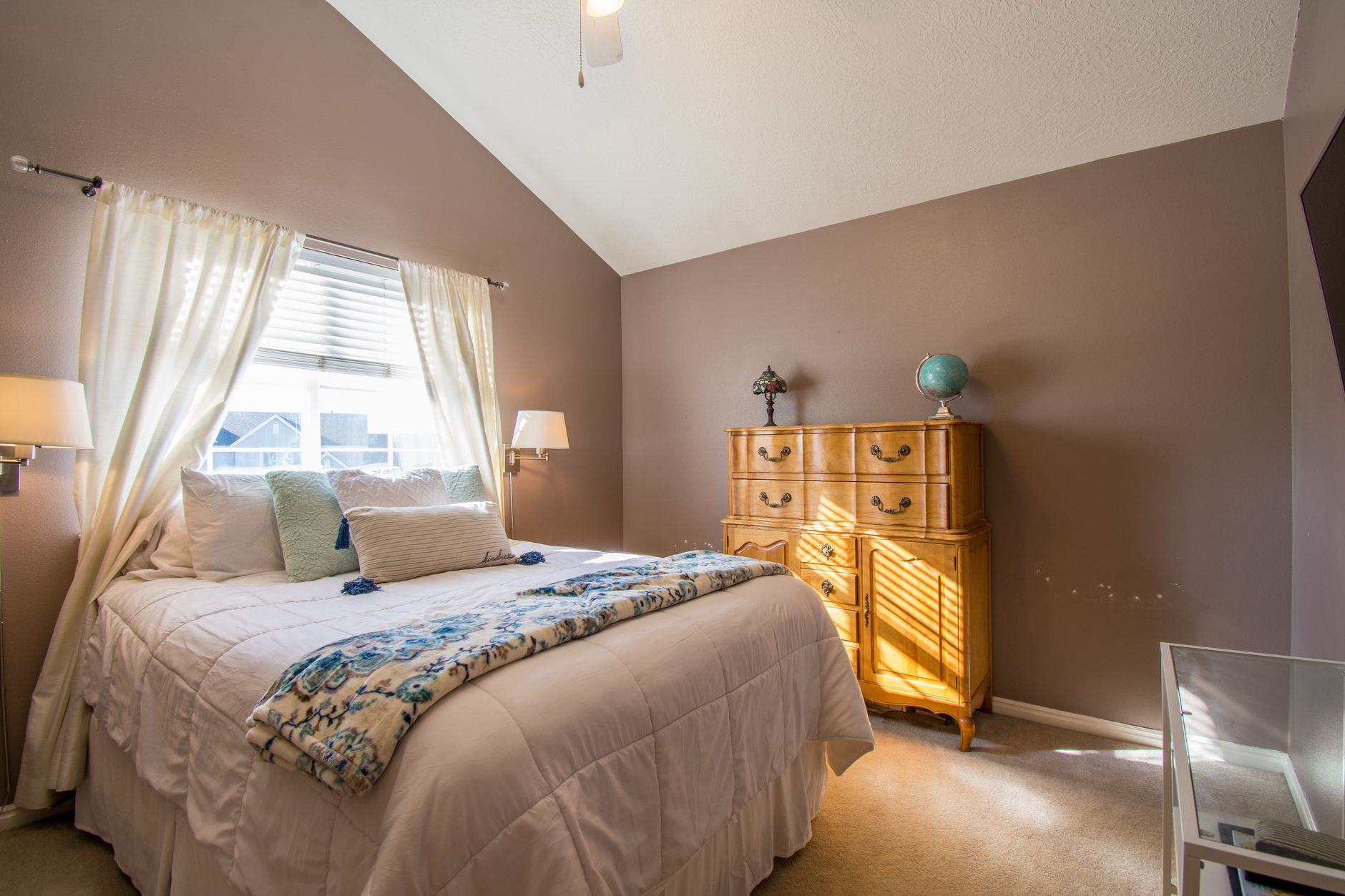
A color chip held up in a paint store looks nothing like the same color on a living room wall in Temecula. The valley gets long stretches of clear, dry sky, and that light does things to paint that overcast regions never see. Painters who work these homes learn to treat light as a material, as real as primer or caulk, because it decides whether a wall reads warm, flat, washed out or harsh.
Why does the same color look different in different Temecula rooms?
Paint does not have one color. It reflects whatever light reaches it, and the light in a house changes by room, by hour and by season. A pale greige on a north facing wall can look cool and slightly gray, while the same can on a wall facing west turns golden at five in the afternoon. The Temecula Valley sits in Riverside County, in the southwest part of the Inland Empire, and the sun there is bright enough that most houses have a few rooms where the light is simply too strong for the color that was picked.
Three things stack on top of each other: the direction a window faces, the surface the light lands on, and the other colors nearby, including a floor, a ceiling or a view of a hillside through glass. A painter looking at a room checks all three before talking about sheen or brand.
How does window direction change a wall color?
The simplest way to predict a wall is to ask which way the main window faces. The table below lays out what painters usually see in valley homes.
| Window faces | What the light does | What to watch for |
|---|---|---|
| North | Steady, cool and even all day | Grays and blues can go dull, warm whites help |
| East | Bright and warm in the morning, softer after noon | Colors look best early and flatten by evening |
| South | Strong, high and direct for most of the day | Saturated colors can look hot, flaws on walls show |
| West | Dim until afternoon, then strong and golden | Yellows and reds intensify, cool tones turn muddy |
None of these is a rule. A tall tree, a covered patio or a neighbor's wall can change it completely. The table only says where to look first.
What happens to color on a large open wall?
Many homes near Temecula Creek and out toward the wine country have open floor plans, with one long wall running through the kitchen, dining area and living room. A single color on a wall like that sees several kinds of light at once. The end near the glass door may look a full shade lighter than the end tucked behind the stair. Painters accept this, and they choose colors with a little room for variation, because a very precise tone will look inconsistent no matter how carefully it is rolled.
Tall walls add another effect. The upper section, close to a high window, gets more direct light than the section at floor level, so a wall can seem to fade from top to bottom. A slightly warmer color tends to hide that better than a cool one.
How do sheen and texture change what the eye sees?
Color gets all the attention, but sheen and texture often matter more in strong light. A flat finish absorbs light and shows less glare. Eggshell has a faint glow that helps in hallways and living rooms. Satin and semi gloss reflect more, and in a sunny room they pick up every roller mark and wall flaw.
Texture works in a similar way. A light orange peel or knockdown finish, common on Temecula walls, throws tiny shadows when sun skims across it. A deeper color makes those shadows look stronger. A lighter color makes them disappear. On a smooth wall, the same deep color looks rich, which is why a wall that looked great in a model home can look rough in a house with a different texture.
- Flat suits ceilings and rooms with a lot of glare
- Eggshell suits most living areas and hallways
- Satin suits kitchens, baths and high traffic walls
- Semi gloss suits trim, doors and cabinets
What is the best way to test a color before painting the room?
A small chip is the weakest test. A better method is a sample painted on a large board, at least two feet on each side, or directly on the wall in two or three spots, then viewed at different hours. Painters usually paint two coats of the sample, because a single coat of many colors is thinner than the final film and reads lighter.
The board gets moved around the room. It goes beside the window, in the corner where shadows collect, next to the floor and near the ceiling. It gets looked at at eight in the morning, at noon, at dusk and under the lamps that will run at night. A color that holds up in all of those is a safe choice. A color that only looks right at one hour is a gamble.
It also helps to look at the sample from across the room, not up close. Walls are seen from ten or fifteen feet away in daily life, and small differences between two close colors vanish at that distance.
Does the floor or the view change the color on the walls?
Yes, and it happens more than people expect. Light bounces. Warm tile or wood floors throw a warm cast up onto the lower part of a wall. A green hillside outside a window, a view toward the Santa Rosa Plateau or a stand of oaks, can add a faint green tint to a white wall near the glass. Terracotta roof tiles on a neighboring house can do the same with orange.
Painters call this reflected color, and it is why a white that looks clean in a sample can look slightly yellow or green once it is on the wall. In rooms with a strong view or a bold floor, a neutral white with a touch of gray in it usually behaves better than a pure white, which has nothing to absorb the cast.
Should the ceiling and trim match the walls?
Ceilings are almost always flat white or a very pale tint, because they bounce light back into the room. A ceiling that is slightly warm, or tinted a tiny bit toward the wall color, tends to look softer in bright rooms. A stark cool white can feel cold next to warm walls.
Trim is a separate decision. Bright white trim in a semi gloss or satin enamel frames the wall and separates it from the ceiling, but in strong sun it can look much brighter than the wall beside it. Many painters pick a trim white that is a shade softer than pure white so the edge does not glow. Doors can follow the trim, or take a deeper color if the house has a lot of light and the walls are pale.
How much does surface prep change the final color?
A lot. Color is only as even as the surface under it. A patched crack that was not primed will dry to a different sheen than the wall around it, and in strong light that patch shows as a dull spot. A section of old glossy paint that was never scuff sanded can look slightly different from the rest. Dark walls repainted in a light color usually need a coat of primer, or the old color shows through and the new color looks off.
Dry air plays a part as well. Latex paint in a hot, dry house skins quickly, so lap marks appear where a roller stopped and started. A lap mark is a small difference in film thickness, and thickness changes how light reflects. Keeping a wet edge across a wall, and applying two coats, is as important to final color as the choice of can.
What do painters check at the end of a job?
The last look is done with a work light held low and to the side of the wall, then again with the room's own window light at a few different times. This raking light shows roller texture, thin spots and missed patches that vanish under ordinary lighting. A wall that passes the raking light usually looks even in the afternoon sun.
The finished color also keeps changing for a few days. Paint dries slightly darker or lighter than it looks wet, and it settles over the first week or two as it cures. Judging a color the moment the roller leaves the wall tends to give the wrong answer.
In a valley where the light is this strong, the best color is the one that was tested on the actual wall at several hours of the day.